Whitebeard: A Crafters' Handwritten Typeface
The design software is open, and a blank canvas stares back at me. Today's project: a series of elegant, minimalist candle labels for my new seasonal collection. I need a font that feels soft and organic, with a touch of refined personality, to perfectly capture the scent's mood—not overly formal, but undeniably special. After scrolling through my typeface library, I land on Whitebeard. As soon as I type the first scent name, Lavender & Oak, onto the label mockup, I know it’s the right choice. The letters flow together with a natural, slightly irregular rhythm, like genuine handwriting, but with a clean, consistent baseline that keeps everything perfectly legible. This isn't just a font; it's the finishing touch that turns a simple jar into a branded product.
The Creative Personality of Whitebeard
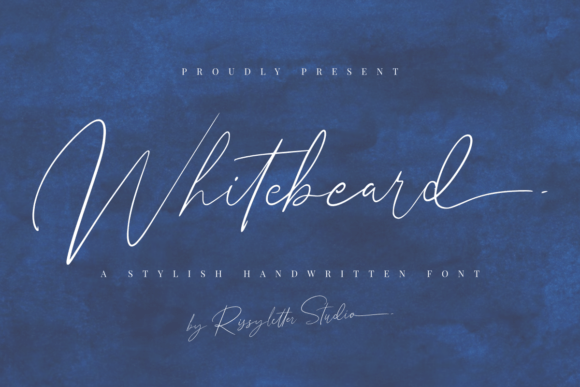
Whitebeard possesses a unique charm. It sits beautifully within the Script Amp category, offering that sought-after handwritten aesthetic without being overly casual or overly ornate. Its style mood is warm and approachable, yet it carries a subtle elegance that elevates any project. The characters have a gentle, flowing connection, with slight variations in stroke weight that mimic the natural pressure of a pen. This visual personality makes it incredibly versatile for makers. It can evoke romance for wedding stationery, convey artisan quality for product packaging, or add a personal, friendly touch to shop branding and social media graphics. Its overall creative appeal lies in its ability to feel both handmade and professionally polished—a crucial balance for anyone selling their creations.
Bringing Whitebeard to Life on Real Products
Seeing a font in a preview window is one thing; seeing it printed, cut, or etched onto your actual products is where the magic happens.
For Physical Goods & Labels
I’ve used Whitebeard across a range of physical items. For my candle labels, it provides that artisan, small-batch feel customers appreciate. On greeting cards and wedding invitations, it adds a personal, heartfelt layer that standard fonts often miss—perfect for names, dates, and special phrases. When designing boutique tags for handmade bags, the font’s clarity ensures the shop name or care instructions are readable, even at smaller sizes. For seasonal products like holiday ornament tags or autumn-themed planner pages, Whitebeard’s warmth complements the cozy aesthetic. It also translates beautifully to mugs, tote bags, and signs, whether printed or used as a guide for vinyl cutting with a Cricut or Silhouette machine. On packaging, like a simple paper wrap for a soap bar, using Whitebeard for the logo creates instant brand recognition and a consistent, quality presentation across all your items.
For Digital & Printable Designs
Its application extends seamlessly into the digital realm. For printable wall art, a quote rendered in Whitebeard becomes a focal point with organic charm. In digital downloads for party planners or wedding welcome boards, the font integrates into templates that feel custom-made. Using it in mockup previews and listing images for your online shop elevates the perceived value of the product before a customer even clicks ‘add to cart’. The font affects emotional appeal and audience engagement directly; a beautifully typed product name or tagline can create a stronger, more memorable connection.
Practical Use & Readability Advice
Whitebeard shines as a display font, ideal for short phrases, names, titles, and decorative wording. I find it perfect for product names on labels, main headlines on cards, signatures on artwork, and key branding elements. For longer blocks of text, like full paragraphs on a brochure, pairing it with a simpler font is recommended for optimal readability. On small items like stickers or tiny product labels, I always test print a sample first. While Whitebeard remains clear, ensuring you use a sufficient size (often above 14pt for very small applications) and provide enough contrast against the background is key. For cutting machines, the clean stroke connections and defined character shapes make it a reliable choice for creating intricate SVG-style designs for vinyl or paper.
Font Pairing for Cohesive Designs
To create balanced, readable designs, I often pair Whitebeard with a clean, neutral supporting font. A simple sans serif font for body text (like care instructions or product details) allows Whitebeard’s decorative beauty to stand out without overwhelming the layout. For a more classic feel, a light serif font can also work well. This pairing strategy ensures your overall design remains functional and aesthetically cohesive, whether for a wedding invitation suite or a multi-line product packaging tag.
A Note for Commercial Creators
Before using any font like Whitebeard for physical products, templates, or digital downloads you intend to sell, it’s essential to check its licensing. Confirm it includes a commercial font license that covers your intended use. Also, explore the font files themselves. Look for included features such as alternates or ligatures that can add extra uniqueness to your designs, check for multiple weights if needed, and ensure it supports the file formats you require for both print and web. Verifying multilingual support is also important if your customer base is international. These steps ensure your use is both ethical and seamless, allowing you to integrate Whitebeard confidently into your brand identity and design assets.
From the moment I typed that first candle label to seeing it adhered to a finished product, Whitebeard proved its value. It’s more than a digital tool; it’s a collaborator in the creative process. It helps translate the care and personality I put into my handmade items directly onto their surface, speaking to customers in a visual language of warmth and quality. Whether you’re etching it onto a wooden sign, printing it on a birthday invitation, or featuring it in your shop’s logo, this handwritten typeface offers a blend of authenticity and polish that truly supports the story of your craft.